Professional Development
Beyond Risk: Relational Approaches to Suicide Intervention
A virtual course equipping helping professionals with human-centred, culturally responsive, and practical skills for supporting individuals at risk of suicide — going beyond checklists to meaningful human connection.
The Case for Change
Why Suicide Intervention Needs a Relational Approach
The Problem
- Over-reliance on assessments
- Fear of saying the wrong thing
- Cultural disconnect
- Burnout among helpers
→
The Beyond Risk Approach
- Human connection as a suicide prevention tool
- Trauma-informed & culturally grounded care
- Practical tools for real settings
- Ethical and compassionate support
Is This For You?
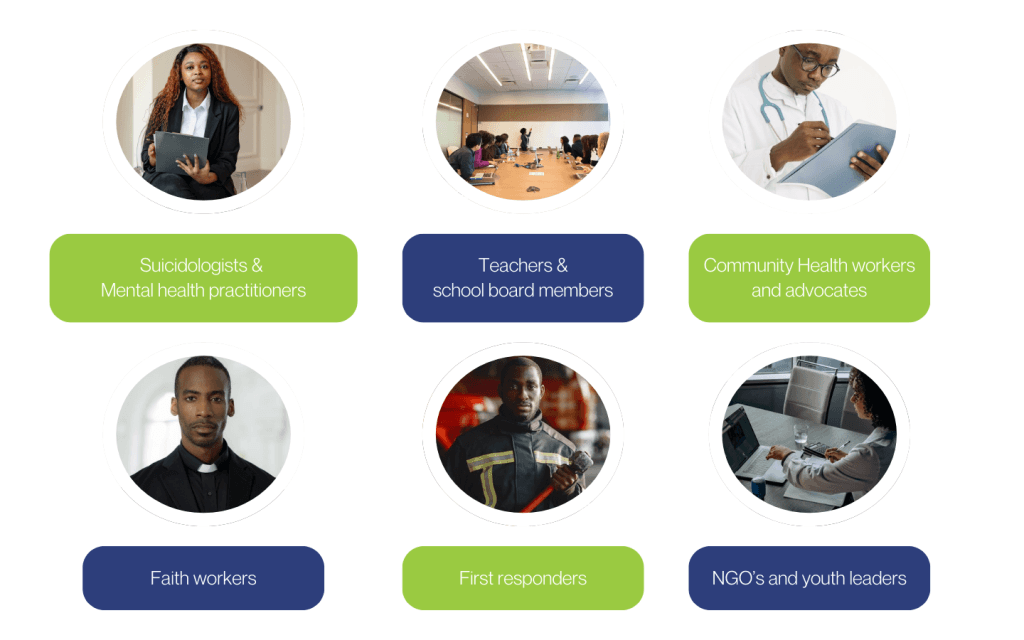
Who Should Attend
Beyond Risk is designed for both clinical and non-clinical professionals who work with individuals at risk — in any setting, anywhere in the world.
- Counsellors, psychologists, and mental health clinicians
- Social workers and community health workers
- Nurses, doctors, and frontline healthcare staff
- School counsellors and educators
- Peer supporters, chaplains, and faith leaders
- NGO staff and humanitarian workers
- Anyone who wants to respond to suicide risk with confidence
Learning Outcomes
What You'll Learn
By the end of the course, participants will be able to:
- Understand suicide risk through a relational and contextual lens
- Respond to suicidal distress with confidence and compassion
- Hold conversations that reduce fear, stigma, and shame
- Apply trauma-informed approaches that strengthen safety and hope
- Navigate ethical boundaries, documentation, and referral pathways
- Build protective factors through connection, dignity, and care
Practical Information
Course Details
Course Structure
- Feb 4th – March 18th, 2026 (8 weeks)
- Location: Zoom (Online)
- Time: 6:00 pm – 8:30 pm EAT (2½ hours)
- Interactive Triad Practice Pods: 60–90 minutes
Fees & Registration
- Standard Rate$300
- Early-Bird Rate (up to Jan 15th)$260
- Group & Organizational DiscountsAvailable
- ScholarshipsLimited — frontline & community workers
Your Guide
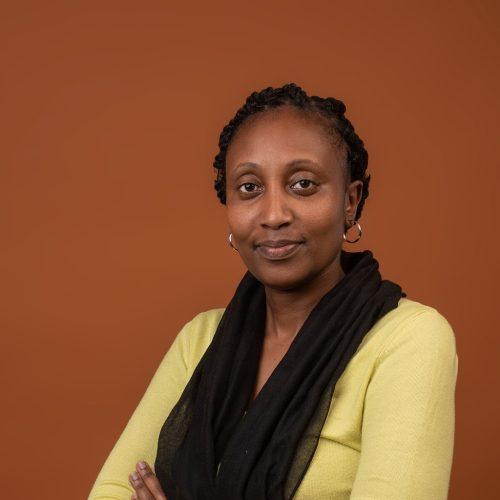
Meet Your Facilitator
Common Questions